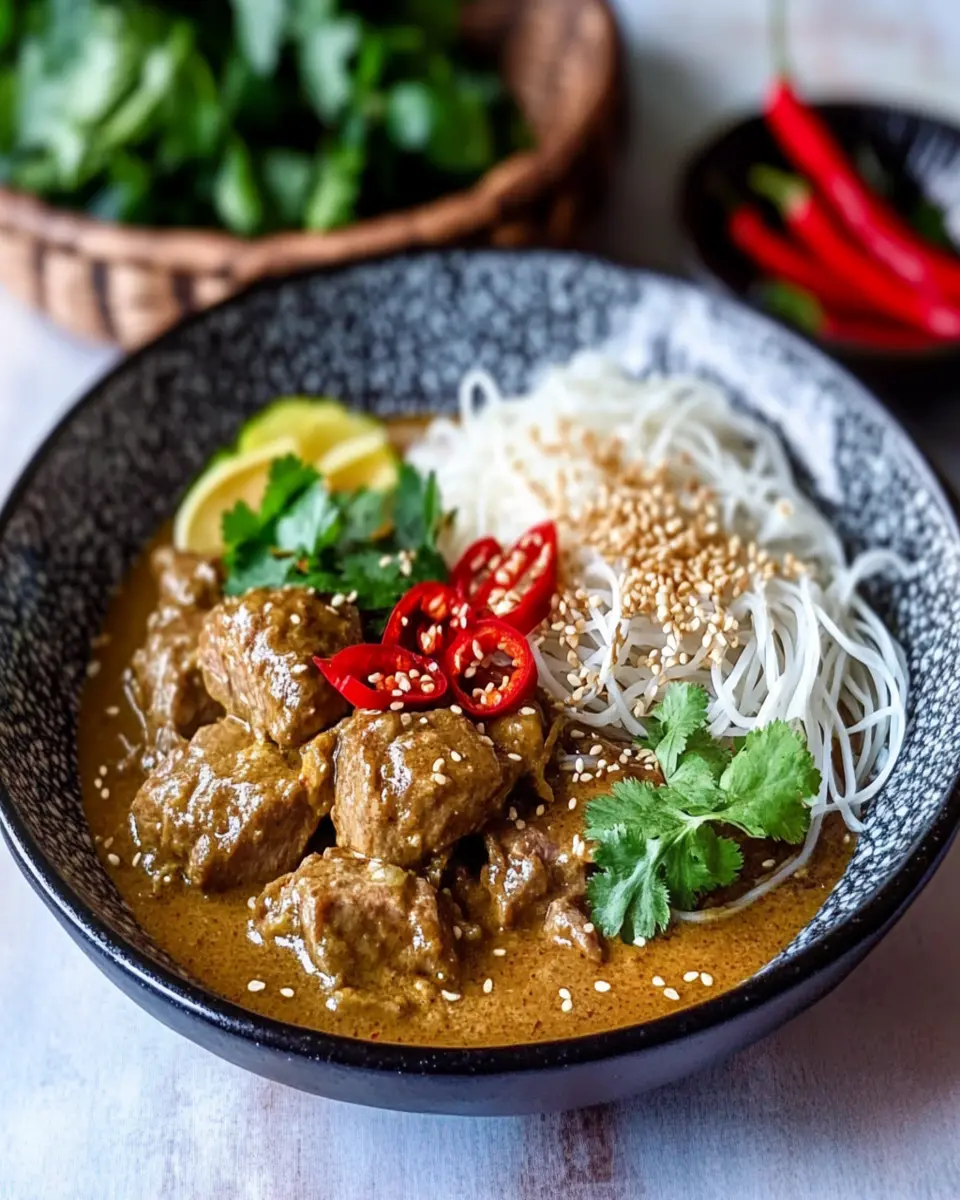
Introduction to Malaysian Rendang with Shirataki Noodles
If you’re looking for a delicious and healthy twist on a classic dish, Malaysian Rendang with Shirataki Noodles is a perfect choice. This flavorful recipe combines the rich, aromatic spices of traditional Malaysian rendang with the lightness of Shirataki noodles, making it a fantastic low-carb option for those who want to enjoy hearty meals without the guilt.
The Allure of Malaysian Cuisine
Malaysian cuisine is renowned for its bold flavors and diverse influences, stemming from the country’s rich cultural tapestry. The use of spices like ginger, tamarind, and coconut milk creates dishes that are both comforting and exotic. In this rendition of rendang, we embrace these elements while opting for Shirataki noodles, known for their low-calorie count and unique texture. This fusion not only provides a satisfying meal but also caters to the dietary needs of young professionals who are constantly on the go.
A Low-Carb Alternative
Shirataki noodles, made from the konjac plant, are an excellent substitute for traditional pasta or rice. They are virtually calorie-free and low in carbohydrates, making them an ideal choice for those following a low-carb diet. This dish allows you to indulge in the rich flavors of Malaysian rendang while keeping your meal light and nutritious. With the added benefit of easy preparation, you can whip up this meal in under 15 minutes, allowing for a quick yet satisfying dining experience.
Embrace the Flavor
With its unique blend of spices and the creamy texture of coconut milk, Malaysian Rendang is a dish that warms the soul. Paired with Shirataki noodles, it brings a delightful twist that is sure to impress your taste buds. Whether you’re a seasoned cook or just starting out, this recipe is crafted to bring joy and flavor to your table, making it a must-try for any homemade food lover. So why not dive into this delicious experience and elevate your dining game today?
Key Ingredients
To create the delightful Malaysian Rendang with Shirataki Noodles, several key ingredients come together to form a harmonious blend of flavors.
Shirataki Noodles (1 pound)
Shirataki noodles are a unique, low-calorie alternative to traditional pasta. Made from the konjac plant, these noodles are high in fiber and help create a satisfying dish without the carbs.
Beef (2 pounds)
Using tender beef cut into cubes is essential for a rich and flavorful rendang. As it simmers, the beef absorbs the aromatic spices, resulting in a melt-in-your-mouth texture.
Coconut Milk (1 can)
Coconut milk adds creaminess and a subtle sweetness to the dish. It balances the spices and enriches the overall flavor profile of the rendang.
Vegetable Oil (2 tablespoons)
Vegetable oil is used for sautéing the aromatics, helping to release their flavors and create a fragrant base for the dish.
Ginger Paste (1 tablespoon)
Ginger paste imparts a warm, zesty flavor that complements the beef and spices, enhancing the dish’s complexity.
Garlic Paste (1 tablespoon)
Garlic paste adds depth and richness, providing an essential foundation in the flavor of the rendang.
Rendang Spice Mix (2 tablespoons)
This spice mix is the star of the dish, combining various spices that are characteristic of Malaysian cuisine, creating a robust flavor profile.
Onion (1, chopped)
Chopped onion adds sweetness and depth to the dish, forming a base that melds beautifully with the other ingredients.
Kaffir Lime Leaves (2)
Kaffir lime leaves introduce a citrusy aroma that brightens the dish and adds an authentic Malaysian touch.
Tamarind Paste (1 tablespoon)
Tamarind paste contributes a tangy flavor that balances the richness of the coconut milk and beef, giving the dish a unique twist.
Palm Sugar (1 tablespoon)
Palm sugar adds a subtle sweetness that enhances the overall flavor and complements the savory elements of the dish.
Salt (to taste)
Salt is essential for enhancing all the flavors in the dish, ensuring a well-rounded taste experience.
These ingredients work together to create a rich, aromatic, and satisfying meal that showcases the best of Malaysian cuisine while offering a low-carb alternative.

Why You’ll Love This Recipe
When it comes to a satisfying meal that doesn’t compromise on flavor, Malaysian Rendang with Shirataki Noodles truly stands out. This dish marries the rich, aromatic spices of traditional Malaysian rendang with the light, low-carb goodness of Shirataki noodles, making it an ideal choice for health-conscious food lovers.
A Flavorful Adventure
One of the biggest reasons you’ll fall in love with this recipe is its depth of flavor. The combination of ginger, garlic, and a unique Rendang spice mix creates a symphony of tastes that dance on your palate. Each bite is an exploration of Malaysia’s culinary heritage, allowing you to enjoy an authentic experience right at home.
Perfect for Busy Lifestyles
This recipe is designed for young professionals and busy individuals who appreciate homemade meals without the hassle. With a total prep and cook time of just over two hours, you can easily prepare this dish on a weekend and enjoy it throughout the week. The Shirataki noodles ensure you can indulge without feeling weighed down, making it a guilt-free pleasure.
Nutrient-Rich and Satisfying
Packed with protein from the beef and healthy fats from the coconut milk, this dish not only satisfies your hunger but also nourishes your body. The low-carb nature of Shirataki noodles keeps your meal light, making it a smart choice for anyone looking to maintain a balanced diet.
In summary, Malaysian Rendang with Shirataki Noodles is a delightful fusion of flavors, perfect for your busy lifestyle, and a nutritious option that will leave you feeling satisfied and energized.
Variations
Exploring variations of Malaysian Rendang with Shirataki Noodles can enhance your dining experience and cater to different palates. Here are some delicious ideas to consider:
Protein Alternatives
If you’re looking to switch things up, consider using chicken or lamb instead of beef. Both proteins absorb the rich flavors of the Rendang spice mix beautifully, while still offering a satisfying meal. For a plant-based option, try using tofu or tempeh, which can soak up the coconut milk and spices, making for a hearty vegetarian dish.
Spice Level Adjustments
For those who crave a little extra heat, add fresh chili peppers or a dash of chili paste to the cooking process. This will elevate the flavor profile and give your dish a spicy kick that pairs well with the creamy coconut milk.
Vegetable Additions
Incorporating vegetables is another great way to customize your Rendang. Add bell peppers, carrots, or green beans to the mix for added color and nutrition. These vegetables can be cooked along with the beef to absorb the delicious flavors, creating a more vibrant and wholesome meal.
Serving Suggestions
While Shirataki noodles are a fantastic low-carb option, you can also serve Rendang with cauliflower rice or steamed vegetables for a fully keto-friendly meal. Alternatively, pair it with traditional rice if you’re not strictly watching your carbs.
These variations not only allow you to enjoy the dish in different ways but also make it versatile enough to please everyone at the table!
Cooking Tips and Notes
Cooking Malaysian Rendang with Shirataki Noodles is a rewarding experience, especially when you keep a few tips in mind to enhance your dish.
Perfecting Your Rendang
To achieve that deep, complex flavor characteristic of authentic rendang, allow the beef to simmer for a full two hours. This slow cooking process tenderizes the meat and lets the spices meld beautifully, creating a rich and aromatic sauce. Stir occasionally to prevent sticking and ensure even cooking.
Shirataki Noodle Preparation
Remember to rinse Shirataki noodles thoroughly before use. This helps eliminate any residual odor and improves their texture. After rinsing, dry them well to achieve a better consistency when served with the rendang. Quick sautéing in a pan before serving can also enhance their flavor and texture.
Spice Adjustments
If you enjoy a bit of heat, consider adding sliced chili peppers or a sprinkle of chili flakes during the cooking process. This will elevate the dish and cater to spice lovers, making it even more appealing. Adjust the seasoning to your taste, adding salt gradually to avoid overpowering the dish.
In summary, these cooking tips will help you create the perfect Malaysian Rendang with Shirataki Noodles, ensuring each bite is flavorful and satisfying. Enjoy your cooking adventure!
Serving Suggestions
When it comes to enjoying your Malaysian Rendang with Shirataki Noodles, the way you serve it can elevate the entire meal experience. Here are some delightful serving suggestions that will impress your guests and satisfy your taste buds.
Complementary Sides
Pairing your rendang with a side of fresh, crisp vegetables can add a refreshing contrast. Consider serving a simple cucumber salad dressed with lime juice and a sprinkle of salt to balance the rich flavors of the rendang. Alternatively, steamed broccoli or bok choy can provide a nutritious and colorful addition to your plate.
Garnishing Options
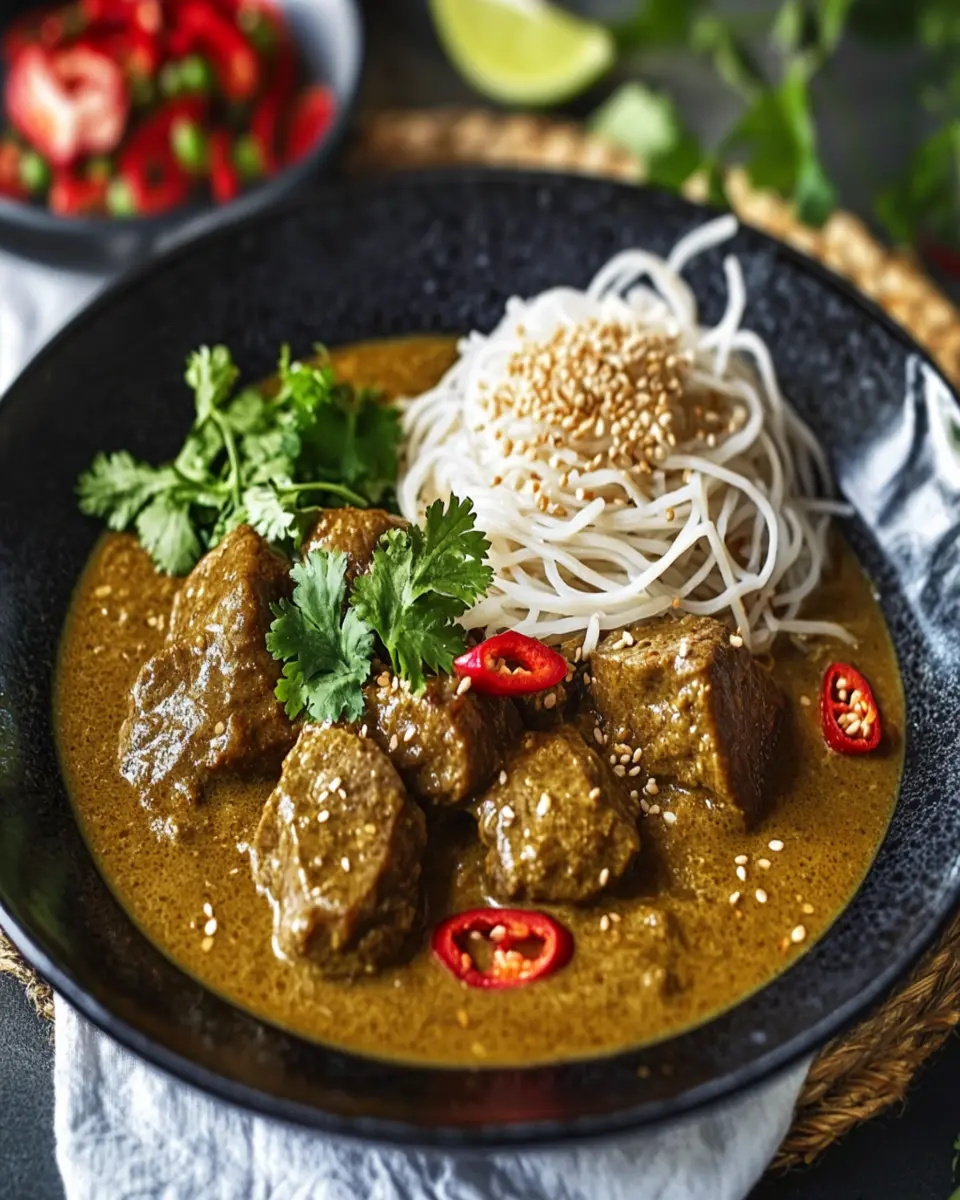
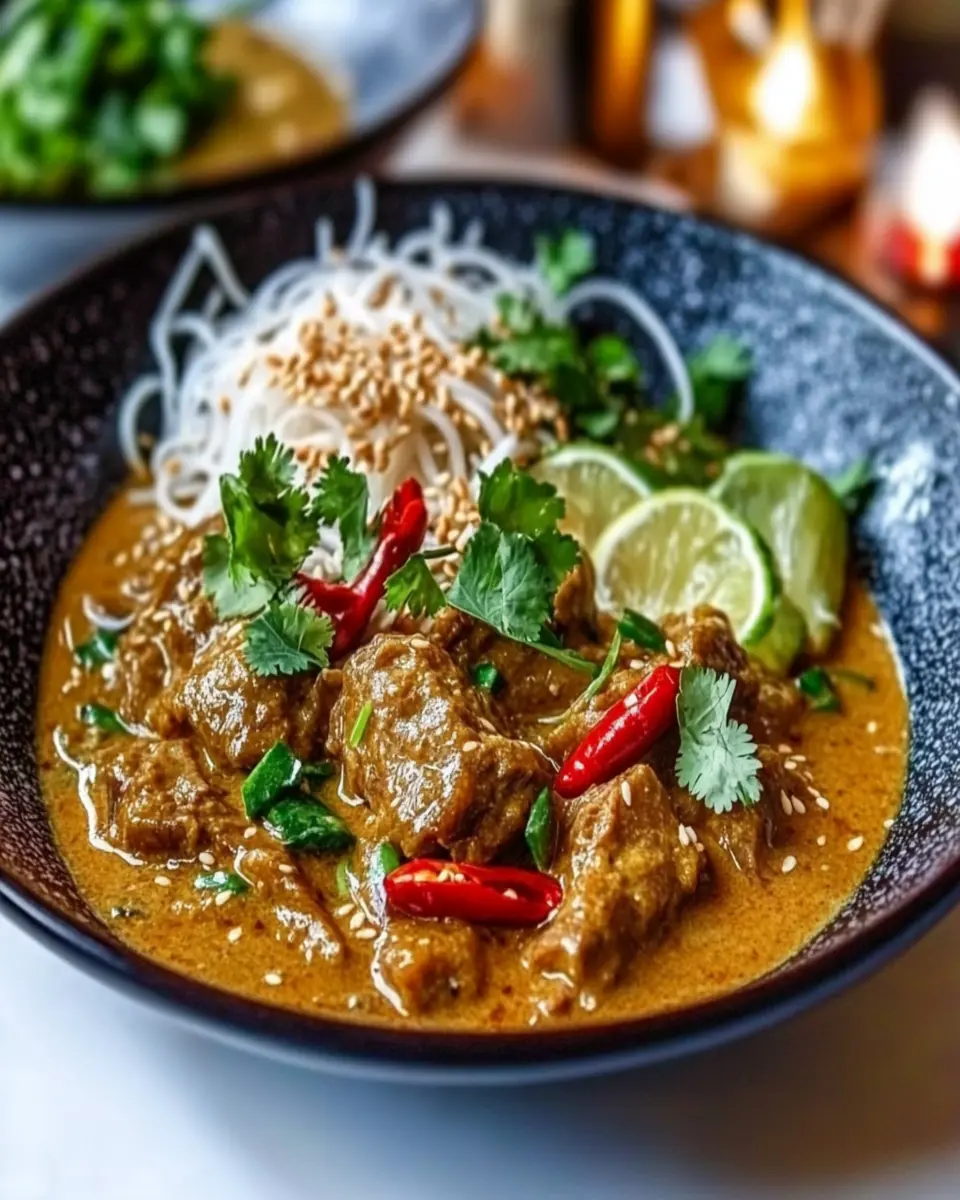
To enhance the presentation and flavor, top your rendang with freshly chopped cilantro or Thai basil. A squeeze of lime over the dish just before serving can also brighten the flavors and add a zesty kick that complements the richness of the coconut milk.
Serving Style
For a more casual dining experience, serve the rendang in a communal style, allowing guests to help themselves. Provide bowls of Shirataki noodles alongside the rendang, so everyone can customize their serving. This interactive approach not only makes for a fun meal but also encourages guests to enjoy the flavors at their own pace.
These serving suggestions will help you create an enjoyable and satisfying dining experience that highlights the deliciousness of Malaysian Rendang with Shirataki Noodles.
Time Breakdown
Understanding the time commitment for preparing Malaysian Rendang with Shirataki Noodles can help you plan your cooking schedule effectively.
Preparation
Preparation takes about 15 minutes, allowing you to gather your ingredients and get everything ready for cooking.
Cooking
The cooking time is approximately 2 hours, which includes simmering the rendang to ensure the beef becomes tender and flavorful.
Total
In total, you’ll need about 2 hours and 15 minutes from start to finish. This efficient timeline makes it easy to enjoy a hearty meal without feeling rushed, especially on a weekend when you have more time to savor the cooking process.
Nutritional Facts
Understanding the nutritional profile of Malaysian Rendang with Shirataki Noodles can help you make informed dining choices. This hearty dish offers a balanced combination of flavors and nutrients, making it suitable for various dietary needs.
Per serving, the dish contains approximately 450 calories, with 30g of fat, including 25g of saturated fat. It provides a solid protein boost at 30g, making it a filling meal option. With only 10g of carbohydrates and 3g of fiber, it is an excellent low-carb choice, especially for those watching their carb intake. Additionally, it contains 8g of sugar and 600mg of sodium. This nutritional balance makes Malaysian Rendang with Shirataki Noodles not only flavorful but also a smart addition to your weekly meal plan.
FAQs (based on “People Also Ask” section)
What is Malaysian Rendang?
Malaysian Rendang is a slow-cooked dry curry that originates from Indonesia, featuring tender beef simmered in a rich mixture of coconut milk and spices. It is known for its deep flavors and aromatic spices, making it a favorite in Malaysian cuisine.
How do I prepare Shirataki noodles?
To prepare Shirataki noodles, rinse them thoroughly under cold water to remove any residual odor. After rinsing, dry them well and sauté briefly in a pan to enhance their texture before serving. This process helps them to better absorb the flavors of the dish.
Can I make this recipe ahead of time?
Yes, Malaysian Rendang with Shirataki Noodles can be made ahead of time. In fact, the flavors often deepen and improve after sitting for a day in the refrigerator. Reheat gently before serving to enjoy a delicious meal any day of the week.
Is this dish suitable for a low-carb diet?
Absolutely! This recipe is ideal for a low-carb diet due to the use of Shirataki noodles, which contain very few carbohydrates. Combined with the protein from the beef and healthy fats from coconut milk, it makes for a nutritious and satisfying meal.
Conclusion
In conclusion, Malaysian Rendang with Shirataki Noodles is a delightful blend of rich flavors and healthy ingredients, making it a perfect option for anyone looking to indulge without the guilt. This dish not only satisfies your taste buds but also fits seamlessly into a low-carb diet, thanks to the use of Shirataki noodles. Whether you’re a busy professional or a homemade-food enthusiast, this recipe offers both convenience and deliciousness. Try it out, and don’t forget to share your experience with friends and family!
Print
Malaysian Rendang with Shirataki Noodles
- Total Time: 2 hours 15 minutes
- Yield: 4 servings 1x
- Diet: Low Carb
Description
A delicious and healthy twist on traditional Malaysian Rendang, paired with Shirataki noodles for a low-carb alternative.
Ingredients
- 1 pound Shirataki noodles
- 2 pounds beef, cut into cubes
- 1 can coconut milk
- 2 tablespoons vegetable oil
- 1 tablespoon ginger paste
- 1 tablespoon garlic paste
- 2 tablespoons Rendang spice mix
- 1 onion, chopped
- 2 kaffir lime leaves
- 1 tablespoon tamarind paste
- 1 tablespoon palm sugar
- Salt to taste
Instructions
- Heat oil in a pot over medium heat.
- Add onion, garlic paste, and ginger paste; sauté until fragrant.
- Add beef and cook until browned.
- Stir in the Rendang spice mix and cook for another minute.
- Pour in the coconut milk and bring to a simmer.
- Add kaffir lime leaves, tamarind paste, and palm sugar; stir well.
- Cover and simmer on low heat for 2 hours or until beef is tender.
- While beef is cooking, prepare Shirataki noodles according to package instructions.
- Serve the Rendang over the Shirataki noodles.
Notes
- For extra heat, add chili peppers to taste.
- Shirataki noodles should be rinsed and dried thoroughly before use.
- Prep Time: 15 minutes
- Cook Time: 2 hours
- Category: Main Course
- Method: Stovetop
- Cuisine: Malaysian
Nutrition
- Serving Size: 1 plate
- Calories: 450
- Sugar: 8g
- Sodium: 600mg
- Fat: 30g
- Saturated Fat: 25g
- Unsaturated Fat: 5g
- Trans Fat: 0g
- Carbohydrates: 10g
- Fiber: 3g
- Protein: 30g
- Cholesterol: 80mg