Introduction
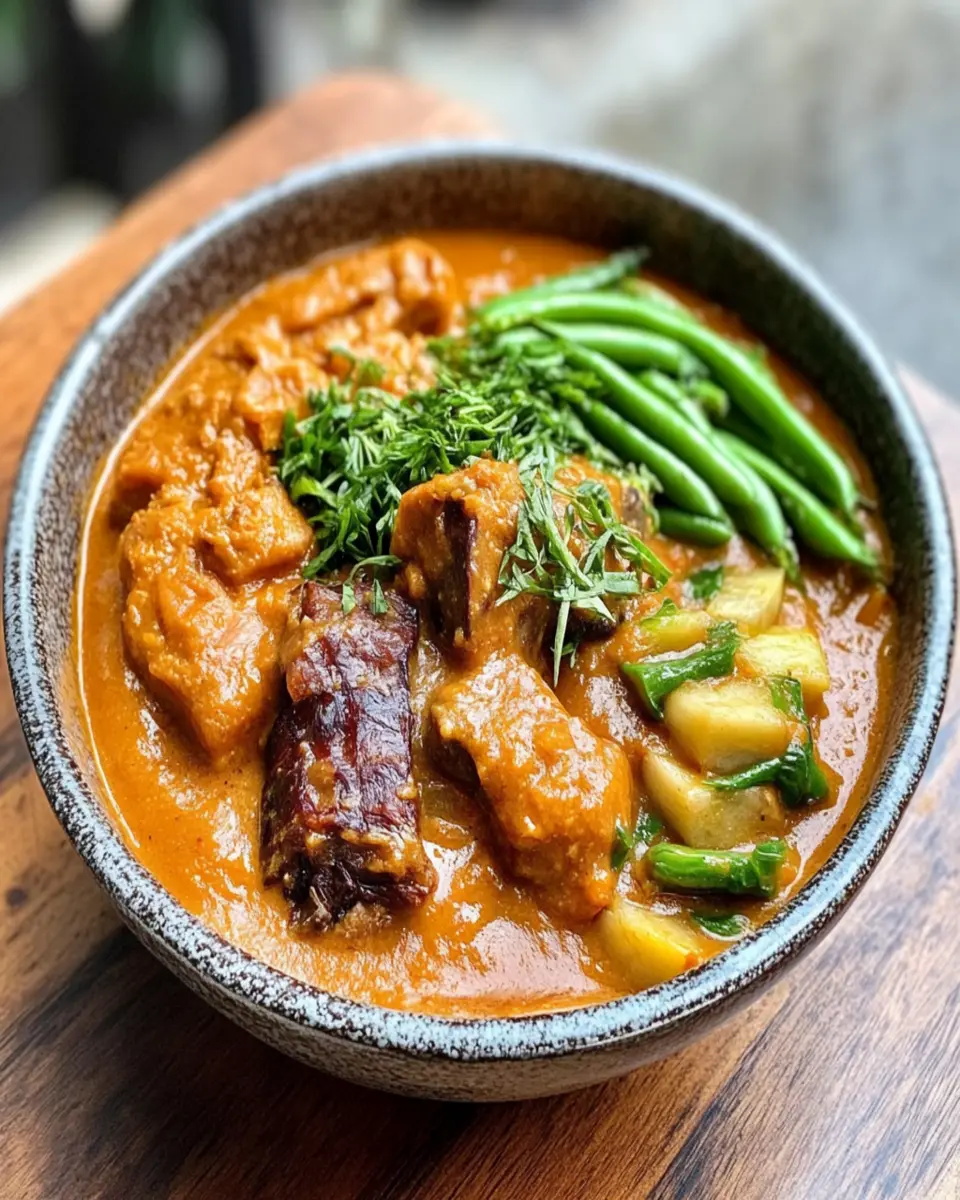
Filipino Kare-Kare is a beloved traditional Filipino dish that showcases the rich culinary heritage of the Philippines. Known for its vibrant flavors and hearty ingredients, this stew offers a comforting meal that resonates with both locals and those who have experienced Filipino cuisine abroad. The unique combination of oxtail, vegetables, and a creamy peanut sauce creates a delightful balance of taste and texture, making it a favorite among families and friends during gatherings and celebrations.
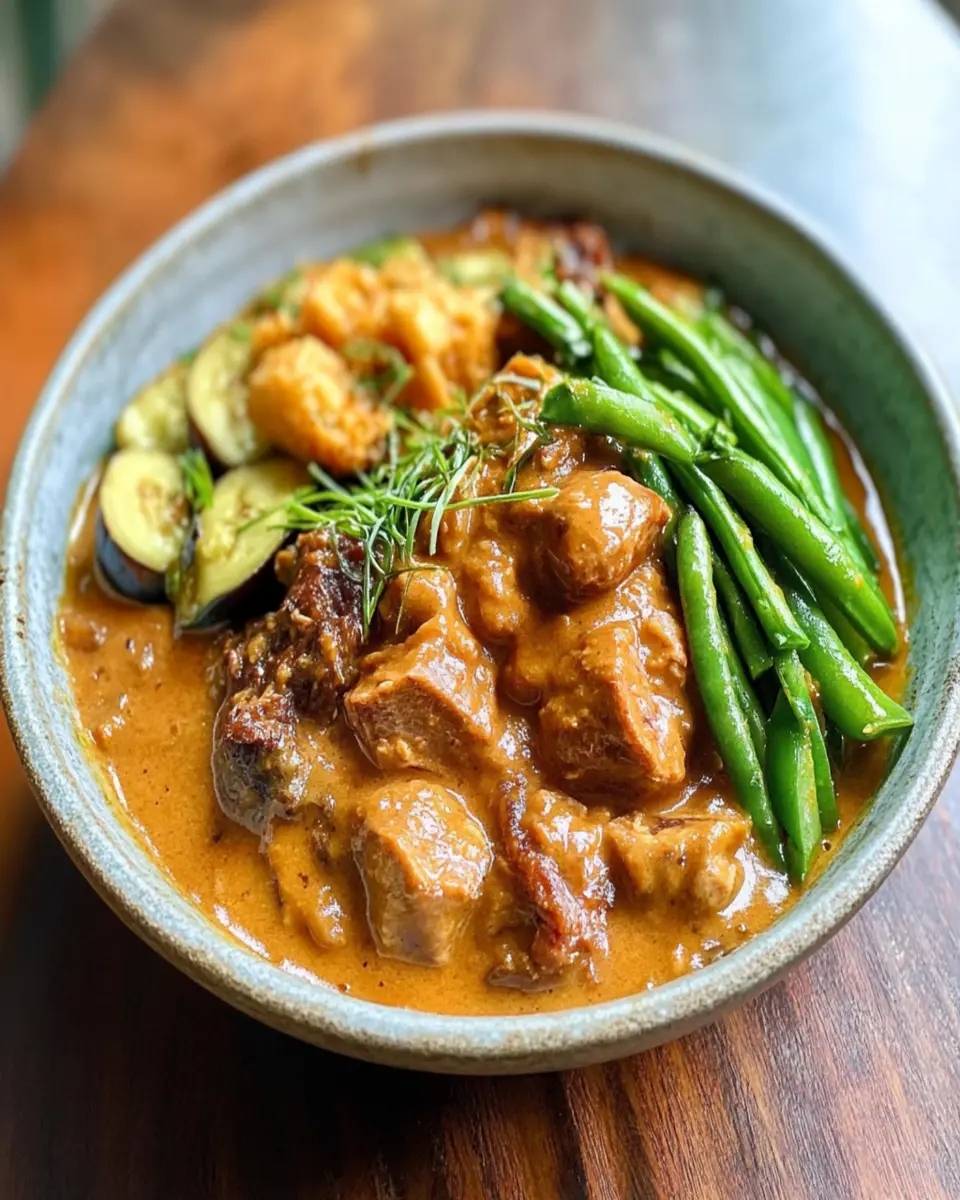
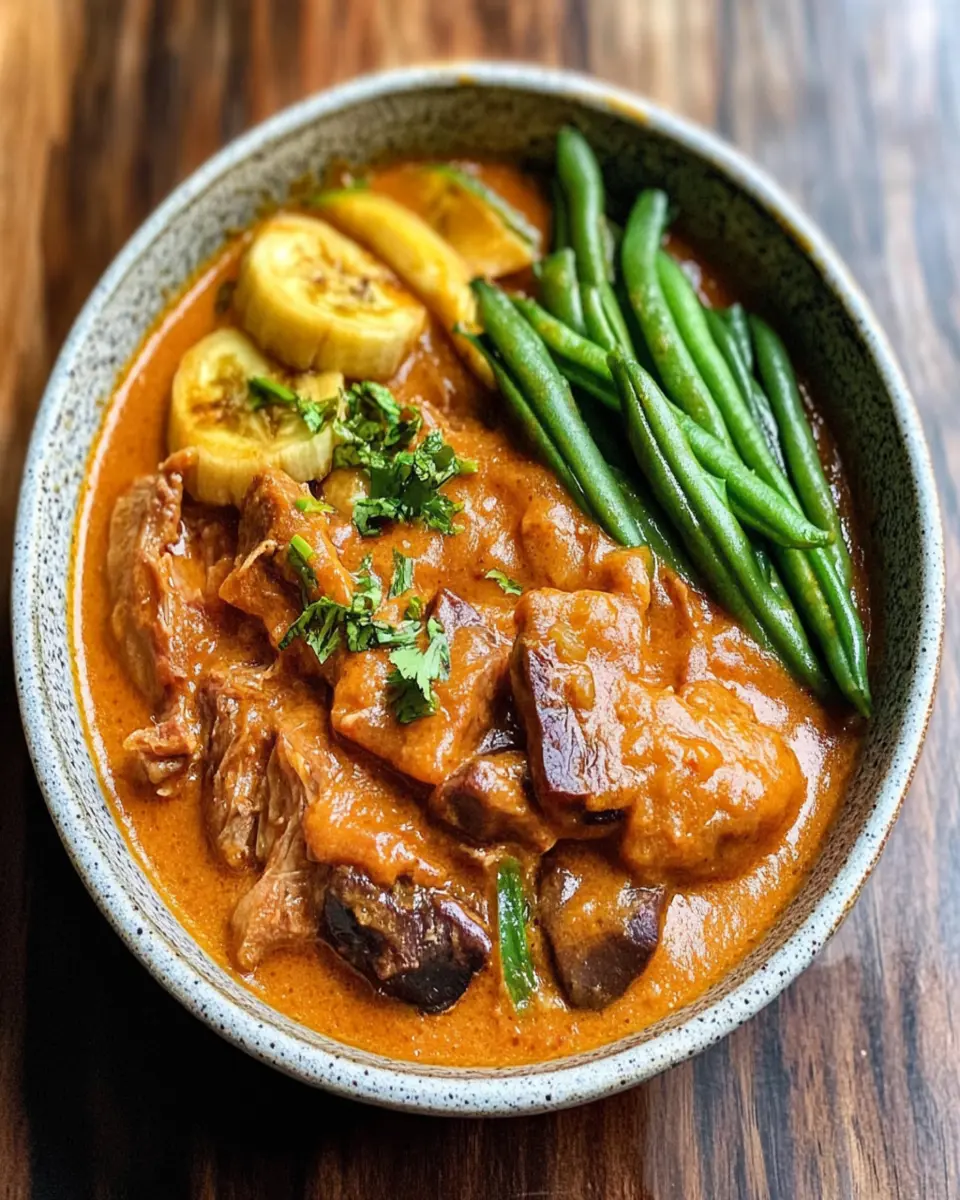
As you prepare to embark on your cooking journey, it’s essential to understand the components of this dish. Each ingredient plays a critical role in achieving that authentic Kare-Kare flavor. The oxtail lends a deep, meaty richness, while the peanut butter contributes creaminess and a nutty essence. The vegetables, including eggplants, banana hearts, and green beans, add freshness and color, elevating this stew to a complete meal that’s both satisfying and nutritious.
Kare-Kare is often enjoyed with a side of shrimp paste, which adds a salty contrast to the dish’s sweetness, enhancing the overall dining experience. Whether you’re a young professional seeking a quick yet rewarding homemade meal or a food lover eager to explore Filipino cuisine, this dish promises to deliver warmth and satisfaction. So, roll up your sleeves and get ready to savor a bowl of Kare-Kare that will surely impress your friends and family. Enjoy the deliciousness and the rich history that comes with each bite!
Key Ingredients
Oxtail (2 pounds)
Oxtail is the star of Kare-Kare, providing rich, tender meat that adds depth to the stew. Its collagen breaks down during cooking, resulting in a silky texture and a hearty flavor that is essential to this traditional dish.
Peanut Butter (1 cup)
Peanut butter gives Kare-Kare its signature creamy and nutty sauce. It not only thickens the stew but also infuses it with a unique taste that balances the savory elements of the dish, making every bite delightful.
Ground Rice (1/2 cup)
Ground rice is used to thicken the sauce and gives it a smooth consistency. This ingredient helps achieve the traditional texture of Kare-Kare, enhancing the overall mouthfeel of the dish.
Onion (1, chopped)
The chopped onion adds sweetness and depth to the flavor profile of the stew. As it cooks down, it melds with the other ingredients, enriching the broth and contributing to the dish’s aromatic qualities.
Eggplants (2, sliced)
Eggplants are a classic addition to Kare-Kare, providing a slight bitterness that complements the richness of the peanut sauce. Their tender texture absorbs the flavors of the stew wonderfully.
Banana Heart (1, sliced)
Banana heart, with its unique flavor and texture, adds a distinct touch to Kare-Kare. It contributes a slight earthiness and pairs beautifully with the other vegetables in the dish.
Green Beans (1 cup)
Green beans offer a fresh crunch and vibrant color, balancing the richness of the stew. They are cooked just until tender, adding both texture and a nutritional boost to the meal.
Water (6 cups)
Water serves as the base for the stew, simmering the ingredients together to create a rich, flavorful broth that envelops the oxtail and vegetables.
Fish Sauce (2 tablespoons)
Fish sauce adds depth and umami to the dish, enhancing the overall flavor without being overpowering. It’s a key ingredient in many Filipino recipes, providing an authentic taste.
Vegetable Oil (1/4 cup)
Vegetable oil is used for sautéing the onions, laying the foundation for the dish’s flavor. It helps in cooking the ingredients evenly and prevents sticking during the initial stages of preparation.
Filipino Kare-Kare is a beautiful tapestry of flavors and textures, with each ingredient playing a vital role in creating this beloved dish.

Why You’ll Love This Recipe
Filipino Kare-Kare is a dish that embodies comfort and tradition, making it a beloved choice for gatherings and family meals. Its unique combination of tender oxtail, vibrant vegetables, and creamy peanut sauce creates a symphony of flavors that is both satisfying and heartwarming. This recipe not only delivers deliciousness but also offers a taste of Filipino culture, connecting you to the rich culinary heritage of the Philippines.
One of the standout features of Kare-Kare is its versatility. You can easily customize the vegetables based on what’s in season or what you have on hand, ensuring that it remains a go-to dish year-round. Moreover, it pairs beautifully with steamed rice and shrimp paste, enhancing the overall dining experience.
Additionally, the cooking process is a rewarding journey, allowing you to savor the aromas as the ingredients meld together. The time spent preparing this dish is well worth it, as it results in a meal that brings people together, evoking memories of shared meals and laughter. With its hearty ingredients and rich flavors, Filipino Kare-Kare is sure to become a favorite in your kitchen, making every occasion special.
Variations
Vegetarian Kare-Kare
For those looking to enjoy a meat-free version, consider using a variety of vegetables like mushrooms, tofu, and root vegetables. This vegetarian adaptation still employs the rich peanut sauce, ensuring that the essence of Filipino Kare-Kare is preserved while being inclusive for all dietary preferences.
Seafood Kare-Kare
Another exciting variation is to incorporate seafood such as shrimp or fish. The natural sweetness of seafood pairs beautifully with the nutty sauce, creating a lighter yet just as flavorful dish. Adjust cooking times accordingly to ensure the seafood is cooked perfectly without becoming tough.
Regional Twists
Different regions in the Philippines have their unique takes on Kare-Kare. Some may add local ingredients or adjust the spice levels, adding a personal touch to this classic dish. Feel free to experiment with local vegetables or spices that are available to you, making the dish your own.
These variations not only keep the dish fresh and interesting but also allow you to cater to different tastes and dietary needs, making Filipino Kare-Kare a versatile meal choice.
Cooking Tips and Notes
Choosing the Right Oxtail
When selecting oxtail for your Filipino Kare-Kare, look for pieces that have a good amount of meat and some marrow. This will enhance the flavor of your stew and provide that rich, satisfying texture that makes Kare-Kare so beloved.
Cooking Time
Patience is key when making Kare-Kare. The longer you simmer the oxtail, the more tender it will become. If you’re short on time, consider using a pressure cooker to cut down on cooking time while still achieving tender meat.
Adjusting Consistency
If you prefer a thicker sauce, don’t hesitate to add more peanut butter or a little more ground rice. It’s all about personal preference, so feel free to experiment until you find the perfect balance for your taste.
Serving Suggestions
Kare-Kare is traditionally served with steamed rice and shrimp paste on the side. The salty shrimp paste complements the sweetness of the peanut sauce beautifully, making each bite even more enjoyable.
These tips will help you create an authentic and delicious Filipino Kare-Kare that your friends and family will love!
Serving Suggestions
Filipino Kare-Kare is best enjoyed with a side of steamed rice, which perfectly complements its rich and creamy peanut sauce. The fluffiness of the rice helps soak up the delicious flavors, making each bite a delightful experience. For an authentic touch, serve it alongside shrimp paste, known as bagoong. This salty condiment adds a burst of umami and balances the sweetness of the dish, enhancing the overall flavor profile.
You can also consider adding a fresh vegetable side salad to your meal. A simple mix of cucumbers, tomatoes, and lettuce dressed with vinegar and oil can provide a refreshing contrast to the hearty stew. This combination not only makes for a visually appealing plate but also ensures a well-rounded dining experience that caters to various taste preferences. Enjoy your Filipino Kare-Kare with friends and family for a truly satisfying meal!
Time Breakdown
Preparation
Prepare your ingredients in just 15 minutes, chopping the onion and slicing the vegetables to streamline the cooking process.
Cooking
The cooking time for Filipino Kare-Kare is approximately 2 hours and 30 minutes. This includes boiling the oxtail until tender and simmering the stew to develop rich flavors.
Total
Overall, you’ll spend about 2 hours and 45 minutes from start to finish for this delightful dish. For efficiency, consider prepping your ingredients while the oxtail is boiling to make the most of your time.
Nutritional Facts
Filipino Kare-Kare is not only a delicious dish but also packed with nutrients. Each serving contains approximately 500 calories, making it a filling option for your meal. It provides a good balance of macronutrients, with 35 grams of protein, 30 grams of fat, and 35 grams of carbohydrates. The dish also offers 5 grams of dietary fiber, which is beneficial for digestion, along with essential vitamins and minerals from the vegetables included.
With 70 milligrams of cholesterol and 700 milligrams of sodium per serving, it’s wise to enjoy Kare-Kare in moderation, especially if you are mindful of your dietary restrictions. This hearty stew is perfect for sharing with family and friends, making it a great choice for gatherings!
FAQ
What is Filipino Kare-Kare?
Filipino Kare-Kare is a traditional stew known for its rich peanut sauce, tender oxtail, and a variety of vegetables. This dish is a staple in Filipino cuisine, often enjoyed during special occasions and family gatherings.
How do I store leftovers?
To store leftover Kare-Kare, let it cool to room temperature before transferring it to an airtight container. It can be refrigerated for up to three days or frozen for longer storage. Reheat thoroughly before serving.
Can I make Kare-Kare vegetarian?
Yes! You can make a delicious vegetarian version of Kare-Kare by substituting the oxtail with vegetables such as mushrooms, tofu, or eggplant. Keep the peanut sauce and other ingredients to maintain the authentic flavor.
What do I serve with Kare-Kare?
Kare-Kare is traditionally served with steamed rice and shrimp paste on the side. The shrimp paste adds a savory contrast to the sweetness of the peanut sauce, enhancing the overall meal experience.
Conclusion
Filipino Kare-Kare is more than just a meal; it’s a celebration of flavors and traditions. This rich stew, with its tender oxtail and creamy peanut sauce, brings people together, making it a perfect dish for family gatherings and special occasions. The combination of hearty ingredients creates a comforting experience that is both satisfying and nourishing.
As you embark on your cooking journey, remember that Kare-Kare is versatile. Whether you stick to the traditional recipe or explore variations, the essence of this dish lies in its ability to adapt to your preferences. Serve it with steamed rice and shrimp paste for a complete dining experience that captures the heart of Filipino cuisine.
So gather your ingredients, invite your loved ones, and enjoy a bowl of Filipino Kare-Kare that is bound to create cherished memories around the table. Don’t forget to share your experience and any personal twists on the recipe!
Print
Filipino Kare-Kare
- Total Time: 2 hours 45 minutes
- Yield: 4 servings 1x
- Diet: None
Description
Filipino Kare-Kare is a traditional stew made with oxtail, vegetables, and a rich peanut sauce.
Ingredients
- 2 pounds oxtail
- 1 cup peanut butter
- 1/2 cup ground rice
- 1 onion, chopped
- 2 eggplants, sliced
- 1 banana heart, sliced
- 1 cup green beans
- 6 cups water
- 2 tablespoons fish sauce
- 1/4 cup vegetable oil
Instructions
- In a large pot, boil the oxtail until tender, about 2 hours. Skim off any scum that forms.
- Add the onion and fish sauce, and simmer for another 30 minutes.
- Stir in the peanut butter and ground rice, mixing well to dissolve.
- Add the eggplants, banana heart, and green beans; cook until the vegetables are tender.
- Adjust seasoning if necessary, and serve hot with shrimp paste on the side.
Notes
- For a thicker sauce, you can add more peanut butter.
- Serve with steamed rice for a complete meal.
- Prep Time: 15 minutes
- Cook Time: 2 hours 30 minutes
- Category: Main Course
- Method: Stew
- Cuisine: Filipino
Nutrition
- Serving Size: 1 cup
- Calories: 500
- Sugar: 5g
- Sodium: 700mg
- Fat: 30g
- Saturated Fat: 10g
- Unsaturated Fat: 15g
- Trans Fat: 0g
- Carbohydrates: 35g
- Fiber: 5g
- Protein: 35g
- Cholesterol: 70mg