Introduction
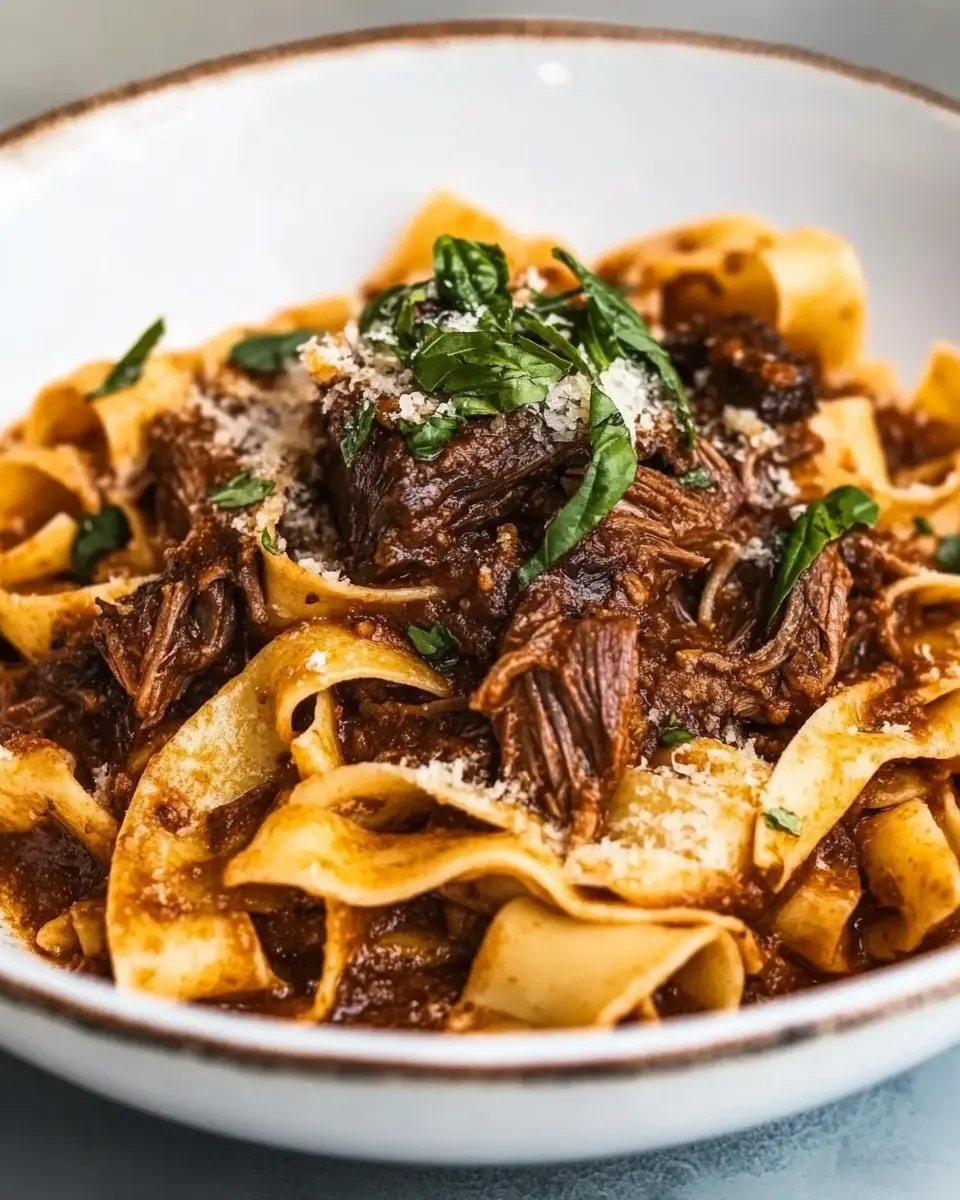
When it comes to comfort food, few dishes evoke warmth and satisfaction quite like a hearty Braised Beef Cheek Ragu. This Italian classic is not just a meal; it’s an experience, perfect for gathering around the table with friends or family. Imagine tender, flavorful beef cheeks slowly simmered to perfection, their rich taste enhanced by a robust blend of red wine and savory tomatoes.
For young professionals juggling busy lives, this recipe is a lifesaver. With a little prep and patience, you can create a dish that not only nourishes the body but also delights the palate. The process of braising allows the flavors to meld beautifully, resulting in a sauce that clings perfectly to pasta or creamy polenta. Plus, the beauty of this ragu is that it often tastes even better the next day, making it an ideal candidate for meal prep or leftovers.
Whether you’re hosting a dinner party or simply treating yourself to a comforting weeknight meal, this Braised Beef Cheek Ragu will surely impress. So, roll up your sleeves, pour yourself a glass of that red wine, and let the aromas fill your kitchen as you embark on this culinary adventure!
Key Ingredients
Understanding the key ingredients in Braised Beef Cheek Ragu is essential for achieving that deep, comforting flavor profile that defines this dish. Each component plays a crucial role in the overall taste, ensuring a rich and savory experience.
Beef Cheeks (2 pounds)
Beef cheeks are the star of the show, known for their rich flavor and tender texture when braised. They become melt-in-your-mouth delicious after several hours of slow cooking, making them perfect for a ragu.
Olive Oil (1 tablespoon)
Olive oil is used to sear the beef cheeks, adding depth to the flavor and helping to develop that beautiful brown crust. It also serves as the base for sautéing the aromatic vegetables.
Onion (1 large)
A large onion, chopped, contributes sweetness and a savory foundation to the ragu. As it cooks down, it caramelizes slightly, enhancing the overall flavor of the dish.
Garlic (2 cloves)
Minced garlic adds a fragrant aroma and a hint of pungency that complements the richness of the beef. It’s a must-have for any savory sauce.
Red Wine (1 cup)
Red wine not only deglazes the pot, lifting the browned bits but also infuses the ragu with acidity and complexity, balancing the richness of the beef.
Beef Broth (1 cup)
Beef broth adds moisture and enhances the meaty flavor throughout the cooking process, ensuring that the final dish is rich and satisfying.
Crushed Tomatoes (1 can, 14 ounces)
Crushed tomatoes provide the necessary acidity and sweetness, creating a luscious sauce that envelops the beef cheeks beautifully.
Bay Leaves (2)
Bay leaves lend a subtle herbal note during cooking, rounding out the flavors of the ragu. Remember to remove them before serving.
Dried Thyme (1 teaspoon)
Dried thyme adds an earthy, aromatic quality that complements the other ingredients, enhancing the overall profile of the dish.
In summary, gathering these key ingredients is the first step toward creating a mouthwatering Braised Beef Cheek Ragu that will impress anyone at your dinner table.

Why You’ll Love This Recipe
When it comes to comfort food, Braised Beef Cheek Ragu stands out as a beloved classic that delivers on every level. This dish is not only rich and flavorful, but it also offers the kind of warmth that feels like a hug on a plate. Perfect for young professionals and homemade-food lovers, this recipe allows you to savor the joys of cooking without demanding too much of your time.
One of the best aspects of this ragu is its simplicity. With just a handful of ingredients, you can create a dish that tastes like it’s been simmering for hours. The slow braising process makes the beef cheeks incredibly tender, while the combination of red wine and crushed tomatoes creates a deeply satisfying sauce. Plus, it’s perfect for serving over pasta or creamy polenta, making it a versatile addition to your culinary repertoire.
Not only does this dish taste amazing on the first day, but it also provides delicious leftovers that often taste even better after a night in the fridge. So, whether you’re cooking for a gathering or just for yourself, this Braised Beef Cheek Ragu is sure to become a favorite in your home.
Variations
Braised Beef Cheek Ragu is a versatile dish that invites creativity in the kitchen. While the classic recipe is undeniably delicious, there are several variations you can explore to suit your taste or dietary preferences.
Spicy Twist
For those who enjoy a bit of heat, consider adding red pepper flakes or a diced jalapeño during the sautéing process. This not only enhances the flavor but also gives the ragu a delightful kick that pairs wonderfully with creamy polenta.
Herb Infusion
Experimenting with fresh herbs can elevate your ragu. In addition to thyme, try adding rosemary or oregano for a fragrant twist. Fresh herbs can be added during the last hour of cooking to ensure their flavors remain vibrant.
Vegetable Boost
To increase the nutritional value of your ragu, incorporate diced carrots, celery, or bell peppers when sautéing the onions and garlic. This adds layers of flavor and color, making the dish even more appealing.
Alternative Proteins
If you’re looking for a different protein, you can substitute beef cheeks with lamb shanks or pork shoulder. Each protein brings its unique flavor profile, allowing you to enjoy a different take on this comforting dish.
These variations ensure that your Braised Beef Cheek Ragu remains a beloved staple in your kitchen, adaptable to your cravings and dietary needs.
Cooking Tips and Notes
Creating the perfect Braised Beef Cheek Ragu is as much about technique as it is about the ingredients. With a few helpful tips and notes, you can ensure your dish turns out rich and flavorful every time.
Searing the Meat
Searing the beef cheeks is a crucial step that enhances the flavor through the Maillard reaction. Make sure your Dutch oven is hot enough before adding the beef; a good sear locks in juices and creates a beautiful crust. Don’t overcrowd the pot; if necessary, sear in batches to achieve the best results.
Deglazing with Red Wine
After sautéing the onions and garlic, deglaze the pot with red wine. This step is essential as it lifts the flavorful browned bits stuck to the bottom of the pot, adding depth to your sauce. Scrape thoroughly to incorporate all those delicious flavors into your ragu.
Low and Slow Cooking
For the most tender results, braise the beef cheeks at a low temperature (300°F/150°C) for 3-4 hours. This slow cooking process allows the connective tissues to break down, resulting in melt-in-your-mouth meat. If you have the time, consider extending the cooking time slightly for even more tender beef.
Perfect Pairings
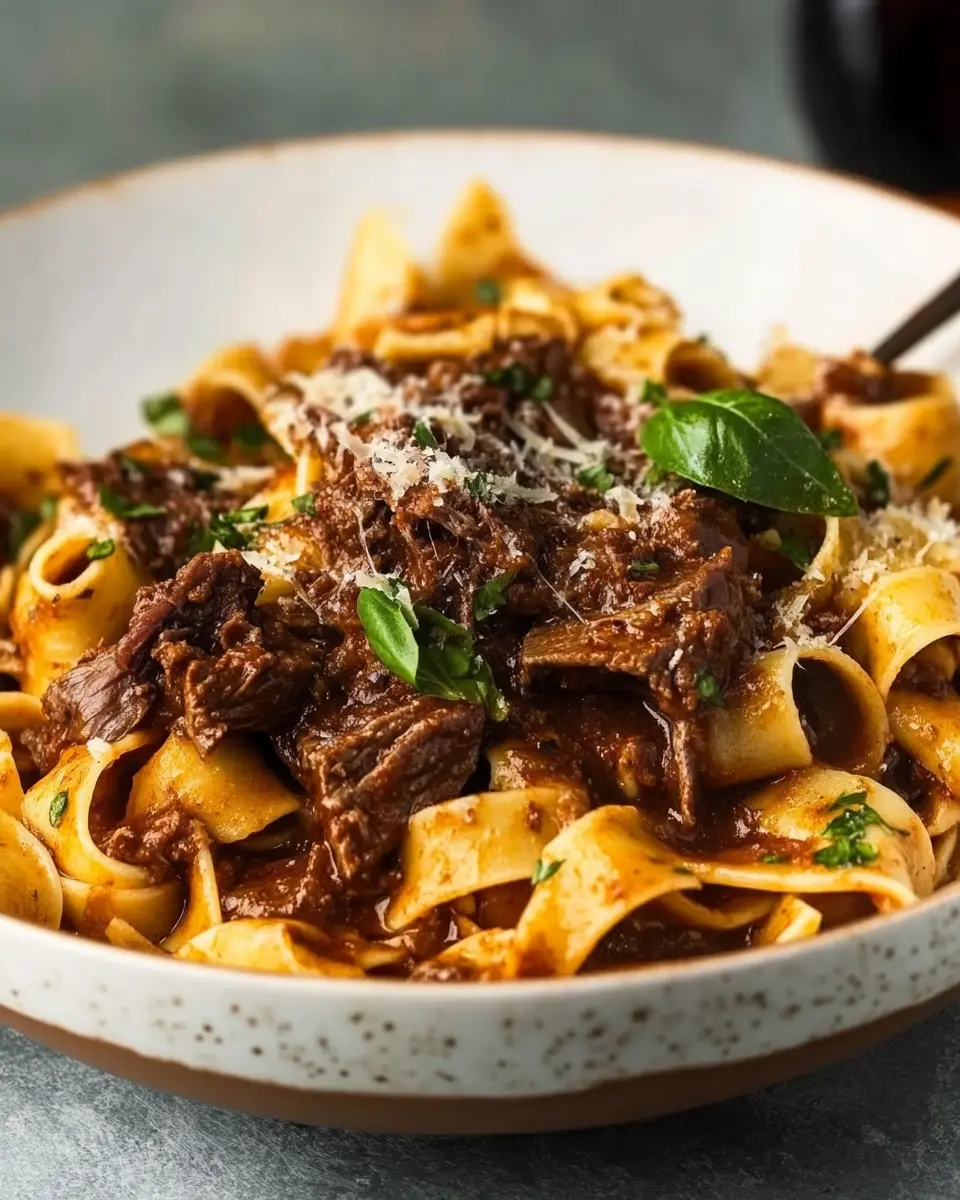
Serving your ragu over pasta or creamy polenta enhances the dish’s comforting nature. Both options soak up the sauce beautifully, making every bite a delight. Don’t forget to sprinkle fresh herbs or parmesan on top for an extra touch of flavor.
These tips will help you master the art of making a delicious Braised Beef Cheek Ragu, ensuring it’s a dish that will impress family and friends alike.
Serving Suggestions
When it comes to enjoying your Braised Beef Cheek Ragu, the right accompaniments can elevate the dish to new heights. This rich and savory ragu is incredibly versatile, making it perfect for a variety of serving options that cater to your mood and occasion.
Pasta Pairings
Serving your ragu over a bed of freshly cooked pasta is a classic choice that never disappoints. Opt for broad noodles like pappardelle or tagliatelle, which can hold up to the hearty sauce. The pasta acts as a wonderful canvas, soaking up the rich flavors of the ragu and creating a satisfying meal.
Polenta Delight
For a creamy twist, consider pairing the ragu with creamy polenta. The smooth texture of polenta complements the tender beef and adds a comforting element to your plate. Just prepare the polenta according to package instructions, then spoon the ragu generously on top for a delightful combination.
Garnish and Serve
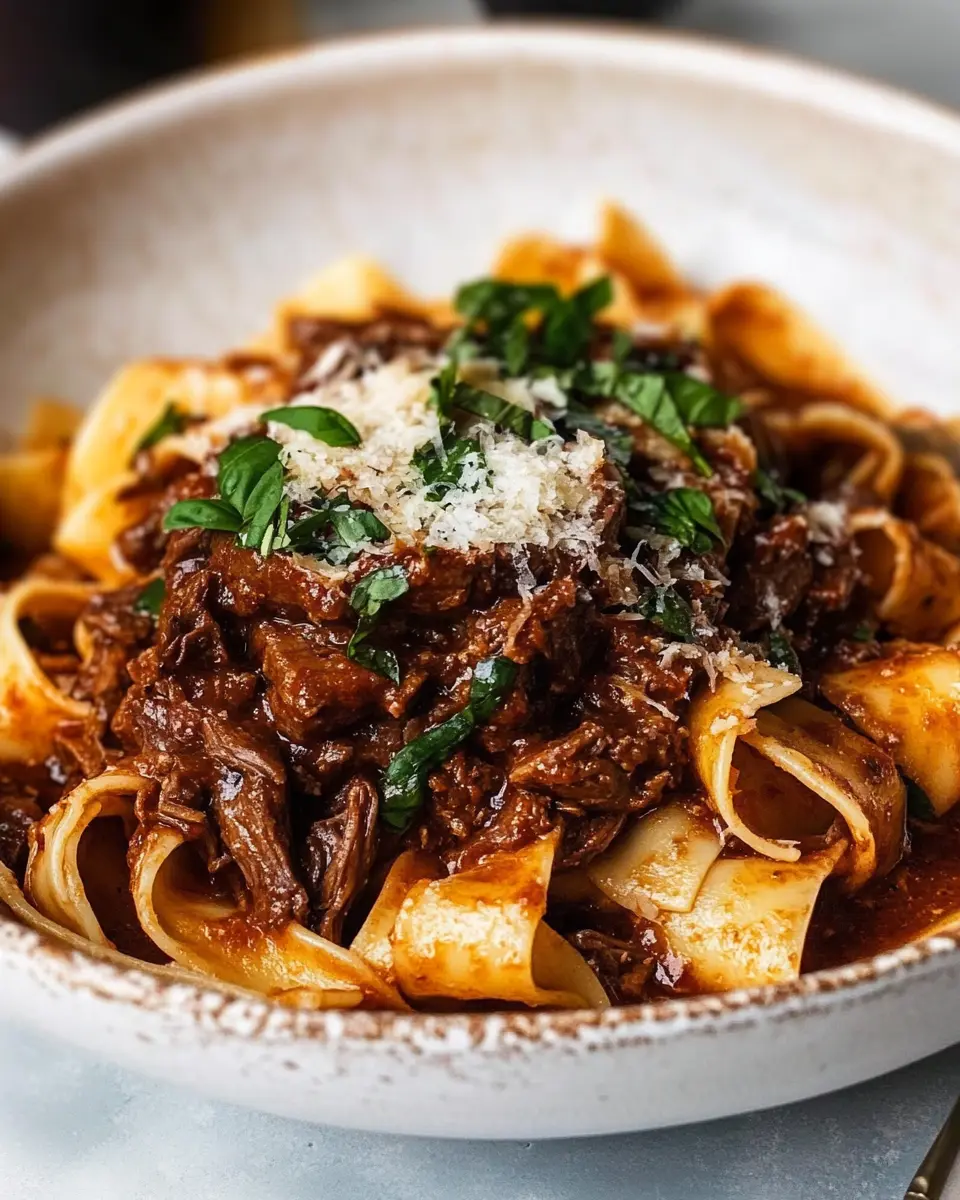
Don’t forget to finish your dish with a sprinkle of freshly grated Parmesan cheese and a few fresh herbs, like parsley or basil, to enhance the flavors. A drizzle of high-quality olive oil can also add a touch of richness. This attention to detail will impress your guests and elevate your dining experience.
Experiment with these serving suggestions to find your favorite way to enjoy this comforting Braised Beef Cheek Ragu!
Time Breakdown
When preparing your Braised Beef Cheek Ragu, understanding the time commitment is essential for planning your meal. This dish requires a bit of patience, but the delicious results are well worth it.
Preparation
20 minutes: Begin by gathering your ingredients and preparing the beef cheeks, vegetables, and aromatics.
Cooking/Baking
3-4 hours: The braising process is where the magic happens. Allow the beef to slowly tenderize in the oven, absorbing all the rich flavors of the sauce.
Total
4 hours: Including both preparation and cooking time, this dish is perfect for a leisurely weekend meal or a cozy dinner.
To maximize efficiency, consider preparing the ragu in advance and letting it rest overnight; this enhances the flavors even more!
Nutritional Facts
Understanding the nutritional profile of your Braised Beef Cheek Ragu can help you enjoy this comforting dish while keeping track of your dietary goals. Each serving, approximately 1 cup, contains 450 calories, making it a hearty option for a main meal.
The ragu is packed with protein, boasting 40 grams per serving, which is great for muscle maintenance and energy. It’s also relatively high in fat, with 20 grams total fat, including 7 grams of saturated fat. While it offers 30 grams of carbohydrates, it provides 3 grams of dietary fiber, contributing to your daily intake.
This dish is not only delicious but also a satisfying way to enjoy a balanced meal. Keep in mind that it tastes even better the next day, making it perfect for meal prep!
FAQ based on ‘People Also Ask’
What is Braised Beef Cheek Ragu?
Braised Beef Cheek Ragu is a rich and savory Italian dish made from slow-cooked beef cheeks, simmered with red wine, tomatoes, and aromatic herbs. The result is a tender, flavorful sauce perfect for serving over pasta or polenta.
How long does it take to cook Braised Beef Cheek Ragu?
The total cooking time for Braised Beef Cheek Ragu is about 4 hours, which includes 20 minutes of preparation and 3 to 4 hours of braising in the oven. This slow cooking process ensures the meat becomes incredibly tender and flavorful.
Can I make Braised Beef Cheek Ragu in advance?
Absolutely! In fact, this dish often tastes even better the next day as the flavors have more time to meld. You can prepare the ragu ahead of time and store it in the refrigerator for up to 3 days or freeze it for longer storage.
What should I serve with Braised Beef Cheek Ragu?
Braised Beef Cheek Ragu is best served over pasta, such as pappardelle or tagliatelle, or creamy polenta. You can also add a sprinkle of fresh herbs or grated Parmesan cheese for added flavor.
Conclusion
In conclusion, Braised Beef Cheek Ragu is not just a meal; it’s a culinary experience that brings warmth and comfort to your dining table. The slow-cooked beef cheeks meld perfectly with the rich flavors of red wine and tomatoes, creating a dish that is both satisfying and indulgent.
This recipe is particularly appealing for young professionals and homemade-food lovers who appreciate hearty meals without spending hours in the kitchen. With a relatively simple preparation and a hands-off cooking process, you can set it in the oven and focus on other tasks while it transforms into a tender delight.
Whether you serve it over pasta or creamy polenta, this ragu is versatile enough to fit any occasion, from a weeknight dinner to a special gathering. Plus, the leftovers are a bonus, often tasting even better the next day! So gather your ingredients, embrace the slow cooking process, and treat yourself and your loved ones to the comforting flavors of Braised Beef Cheek Ragu. Don’t forget to save and share this recipe for future culinary adventures!
Print
Braised Beef Cheek Ragu
- Total Time: 4 hours
- Yield: 4 servings 1x
- Diet: High Protein
Description
A rich and savory braised beef cheek ragu, perfect for serving over pasta or polenta.
Ingredients
- 2 pounds beef cheeks
- 1 tablespoon olive oil
- 1 large onion, chopped
- 2 cloves garlic, minced
- 1 cup red wine
- 1 cup beef broth
- 1 can (14 ounces) crushed tomatoes
- 2 bay leaves
- 1 teaspoon dried thyme
- Salt and pepper to taste
Instructions
- Preheat the oven to 300°F (150°C).
- In a large Dutch oven, heat olive oil over medium-high heat. Sear beef cheeks on all sides until browned.
- Remove beef cheeks and set aside. Add onions and garlic to the pot and sauté until softened.
- Deglaze the pot with red wine, scraping the bottom to release browned bits.
- Add beef broth, crushed tomatoes, bay leaves, thyme, and beef cheeks back to the pot.
- Cover and braise in the oven for 3-4 hours until the meat is tender.
- Remove bay leaves and shred the meat before serving.
Notes
- Serve over pasta or creamy polenta for the best experience.
- This dish tastes even better the next day, making it great for leftovers.
- Prep Time: 20 minutes
- Cook Time: 3-4 hours
- Category: Main Dish
- Method: Braising
- Cuisine: Italian
Nutrition
- Serving Size: 1 cup
- Calories: 450
- Sugar: 6 grams
- Sodium: 800 milligrams
- Fat: 20 grams
- Saturated Fat: 7 grams
- Unsaturated Fat: 9 grams
- Trans Fat: 0 grams
- Carbohydrates: 30 grams
- Fiber: 3 grams
- Protein: 40 grams
- Cholesterol: 120 milligrams